


Lion’s Mane and the Rise of Medicinal Mushrooms
A Smarter Approach to Brain Health

Tracy Tranchitella, ND | Sunrise Functional Medicine
When patients begin asking Dr. Tracy Tranchitella, ND, at Sunrise Functional Medicine about supporting memory, focus, or even mood, the conversation often expands beyond quick fixes. Brain health is rarely about a single solution—it’s about systems. And increasingly, one category of natural medicine is stepping into that conversation with surprising depth: medicinal mushrooms.
Among them, Lion’s Mane stands out—not just for its unusual, shaggy appearance, but for the way it bridges traditional healing practices with modern neuroscience.
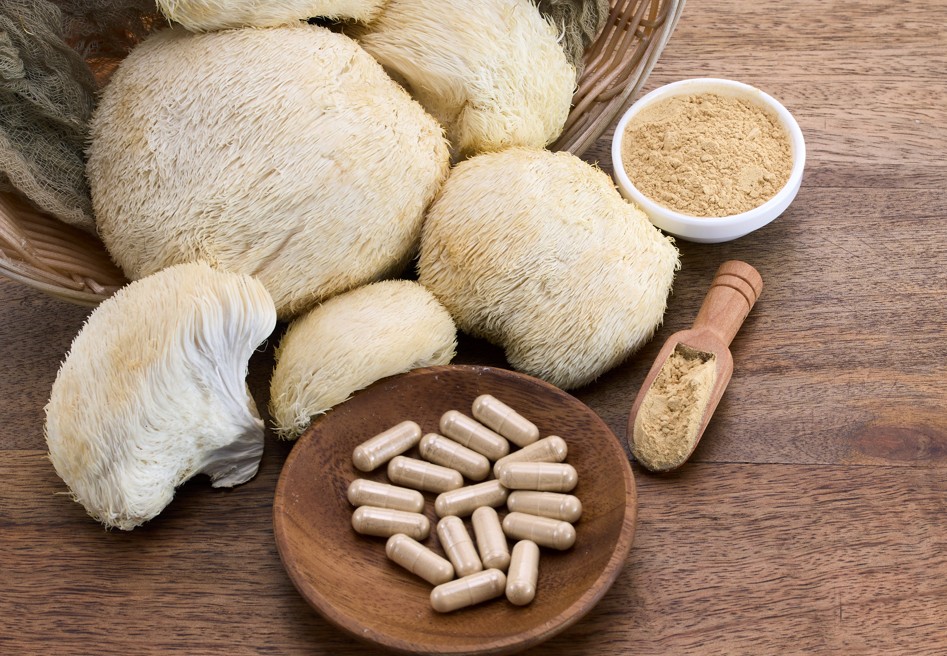
At first glance, Lion’s Mane might seem like a culinary curiosity. It has a delicate, almost seafood-like flavor and a texture that makes it popular in plant-based cooking. But behind that approachable exterior is a complex profile of compounds that appear to interact directly with the brain, the gut, and the immune system—three systems that functional medicine recognizes as deeply interconnected.
A Mushroom That Speaks to the Brain
What makes Lion’s Mane particularly compelling is its relationship with the nervous system. Certain compounds found in the mushroom—most notably erinacines and hericenones—have been shown to stimulate the production of nerve growth factors. In simple terms, these are substances your brain uses to maintain, repair, and grow neurons.
This is where the conversation becomes more than theoretical. Clinical studies have shown that individuals experiencing mild cognitive changes saw measurable improvements in memory and mental clarity after consistent use over several weeks. Even in younger, healthy adults, there’s evidence suggesting improved performance on cognitive tasks, along with a subtle reduction in perceived stress.
From a functional medicine standpoint, this isn’t about a temporary boost. It’s about supporting the terrain of the brain itself—encouraging resilience, adaptability, and long-term function.
The Gut-Brain Conversation
One of the more fascinating aspects of Lion’s Mane is that its benefits don’t stop at the brain. It also appears to influence the gut microbiome, which plays a central role in everything from digestion to mood regulation. Traditional systems of medicine have long used this mushroom for digestive concerns, and modern research is beginning to validate those uses. Studies suggest that Lion’s Mane can promote the growth of beneficial gut bacteria while helping to keep less desirable microbes in check.
This matters more than it might seem at first glance. The gut and brain are in constant communication through what’s often called the gut-brain axis. When the gut is inflamed or imbalanced, it can send signals that affect mood, cognition, and even stress tolerance. By supporting both systems simultaneously, Lion’s Mane aligns well with the functional medicine philosophy of addressing root causes rather than isolated symptoms.
A Broader Look at Medicinal Mushrooms
Zooming out, Lion’s Mane is just one member of a much larger family. The category of “medicinal mushrooms” includes hundreds of species with potential therapeutic properties, though a smaller group has been more extensively studied. You’ll often hear names like reishi, turkey tail, shiitake, cordyceps, chaga, and maitake in these discussions. Each brings its own profile of bioactive compounds—beta-glucans, terpenes, antioxidants—that interact with the body in different ways.
What ties them together is their ability to support systems rather than target a single symptom. Some are known for modulating the immune response, others for improving energy production or helping the body adapt to stress. A few, like reishi, are even considered adaptogens, meaning they may help the body respond more effectively to physical and emotional stressors.
In the context of brain health, this broader category becomes especially interesting. While Lion’s Mane is often the primary focus for cognitive support, other mushrooms may contribute by reducing inflammation, improving mood, or supporting overall resilience—all of which influence how the brain functions over time.
Inflammation, Immunity, and Aging
Another layer to this conversation involves inflammation and oxidative stress—two processes that play a role in aging and many chronic conditions. Lion’s Mane contains antioxidant compounds that help neutralize free radicals and support the body’s own defense systems. At the same time, it appears to help regulate the immune response, calming excessive inflammation without suppressing the body’s ability to protect itself. This balancing effect is a key theme in both naturopathic and functional medicine. Rather than pushing the body in one direction, the goal is to restore equilibrium—something these mushrooms seem uniquely suited to support.
Mood, Stress, and Subtle Shifts
While research is still evolving, early findings suggest that Lion’s Mane may also influence mood and stress levels. Some participants in clinical studies reported feeling less anxious or more emotionally steady after several weeks of use. This likely circles back to the same interconnected systems: brain chemistry, gut health, and inflammation all play a role in how we experience stress and emotional well-being. Supporting these systems together can create changes that feel subtle at first, but meaningful over time.
Bringing It Into Everyday Life
One of the appealing aspects of Lion’s Mane is its versatility. It can be approached as both a food and a supplement, depending on preference and availability. Fresh Lion’s Mane can be sliced and sautéed, added to soups, or used as a plant-based substitute in dishes where texture matters. For those who prefer convenience, it’s also widely available in powders, capsules, tinctures, and teas.
Dosing in research settings typically falls in the range of 1.8 to 3 grams daily, though starting lower and adjusting based on individual response is often a practical approach. As with any supplement, quality matters. Products that specify the part of the mushroom used and undergo third-party testing tend to offer more consistency and reliability.
A Thoughtful Path Forward
What makes Lion’s Mane—and medicinal mushrooms as a whole—so compelling is not just the growing body of research, but how naturally they fit into a more comprehensive approach to health. They don’t replace foundational habits like nutrition, sleep, and stress management. Instead, they complement them, offering another layer of support for systems that are constantly interacting beneath the surface.
For patients working with Dr. Tranchitella, this kind of integrative thinking is at the core of care. Whether the goal is sharper focus, improved digestion, or simply feeling more resilient day to day, the path forward often involves looking at the whole picture.
If you’re curious about whether Lion’s Mane or other medicinal mushrooms might be a good fit for your health goals, a personalized conversation is the best place to start. At Sunrise Functional Medicine, Dr. Tranchitella can help you explore options that align with your unique physiology—so you’re not just following a trend, but building a strategy that works for you. Get started on your journey to better health! Schedule a consultation today >> LEARN MORE