



Why Zinc Matters More Than You Think: Immunity, Inflammation, and Whole-Body Health

Tracy Tranchitella, ND | Sunrise Functional Medicine
When people think about supporting their immune system, vitamin C often steals the spotlight. Yet in functional medicine, another nutrient quietly plays an even broader role in protecting and regulating the body: zinc. Optimal health depends not only on treating illness, but on ensuring the body has the foundational nutrients it needs to function properly. Zinc is one of those foundational nutrients — essential, widely used by the body, and surprisingly easy to become deficient in.
Far beyond immune support, zinc influences metabolism, hormone balance, skin health, digestion, and inflammation regulation. In many ways, it acts as a master helper nutrient, enabling hundreds of biological processes to run smoothly.
Zinc: A Mineral Used by Every Cell
Zinc is the second most abundant trace mineral in the human body after iron, and nearly every cell depends on it. Researchers estimate that zinc participates in over 200 enzymatic reactions involved in:
- Gene expression and DNA synthesis
- Protein production and tissue repair
- Nervous system signaling
- Growth and development
- Hormone regulation
- Digestive function
Because zinc helps enzymes do their work, other nutrients often rely on adequate zinc levels to function effectively. When zinc levels drop, multiple systems may begin to struggle at once — sometimes subtly at first.
The Immune System’s Quiet Regulator
Zinc plays a central role in both branches of immunity: innate immunity (your first-line defense) and adaptive immunity (the targeted response that develops after exposure). Adequate zinc supports:
- Development and activation of immune cells
- Natural killer (NK) cell activity
- T-cell and B-cell function
- Balanced cytokine signaling
- Resolution of inflammation after infection
In simple terms, zinc helps the immune system respond strongly enough to fight pathogens — but not so aggressively that inflammation causes collateral damage. Functional medicine views this balance as critical. An underactive immune system increases infection risk, while an overactive one contributes to chronic inflammation and autoimmune concerns. Zinc helps maintain that middle ground.
Studies have also shown that adequate zinc levels may shorten the duration and severity of common respiratory illnesses when taken early, particularly in lozenge form that supports tissues in the throat and upper airway.
Zinc and Inflammation: Protecting Cells from Damage
Chronic inflammation sits at the root of many modern health conditions, including metabolic disorders, cardiovascular disease, and autoimmune dysfunction. Zinc contributes to inflammation control in several ways. It acts as an antioxidant by:
- Supporting production of metallothionein, a compound that neutralizes free radicals
- Reducing reactive oxygen species (ROS) that damage tissues
- Modulating NF-kB, a major regulator of inflammatory signaling
When zinc levels are insufficient, inflammatory molecules may rise while antioxidant defenses weaken — creating an environment where fatigue, pain, and chronic illness are more likely to develop. This connection helps explain why zinc deficiency is frequently seen alongside inflammatory conditions such as diabetes, obesity, and chronic infections.
Beyond Immunity: Whole-Body Benefits of Zinc
One of the reasons functional medicine practitioners pay close attention to zinc status is its wide-reaching influence across body systems.
Skin and Wound Healing
About 5% of the body’s zinc is stored in the skin. Zinc supports collagen formation, tissue repair, and immune regulation within the skin, making it important for wound healing and inflammatory skin concerns like acne, eczema, and rosacea.
Blood Sugar Balance
Zinc interacts directly with insulin receptors, helping cells respond appropriately to insulin signals and improving glucose regulation. Low zinc levels are commonly observed in individuals with blood sugar imbalance.
Digestive Health
Healthy digestion depends on stomach acid and digestive enzymes — both of which require zinc. Deficiency may contribute to poor protein digestion, bloating, or reduced appetite.
Fertility and Hormone Health
Zinc supports hormone production, ovulation, sperm development, and testosterone balance. Its antioxidant properties also protect reproductive cells from oxidative stress.
Taste, Smell, and Appetite
Loss of taste or smell is a classic sign of zinc deficiency because these sensory pathways rely heavily on zinc-dependent enzymes.
Are You Getting Enough Zinc?
Despite its importance, zinc deficiency is surprisingly common worldwide. Certain groups are at higher risk, including:
- Older adults
- Individuals with chronic inflammatory conditions
- Vegetarians or vegans relying heavily on grains and legumes
- People with digestive disorders affecting absorption
- Those under chronic stress
Plant foods contain beneficial zinc, but compounds called phytates — found in grains and legumes — can reduce absorption. Preparing foods through soaking or sprouting may improve bioavailability.
Signs of Possible Zinc Deficiency
- Frequent infections
- Slow wound healing
- Skin issues or acne
- Reduced appetite
- Changes in taste or smell
- Hair thinning
- Fatigue or poor immune recovery
Even mild deficiency can influence immune and metabolic function over time.
Food Sources and Supplement Considerations
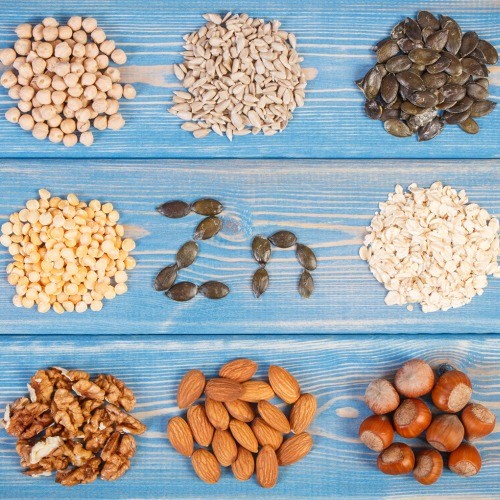
Excellent dietary sources of zinc include:
- Oysters and shellfish (the richest sources)
- Red meat and poultry
- Eggs
- Pumpkin seeds, sesame seeds, and nuts
- Beans and lentils
- Whole grains and leafy vegetables
The recommended daily intake is approximately 11 mg/day for adult men, 8 mg/day for adult women. Therapeutic supplementation may range higher for short periods, but long-term high doses should only be taken under professional guidance. Excess zinc can interfere with copper balance and create unintended deficiencies. Forms such as zinc picolinate, citrate, or glycinate are generally well absorbed, and zinc lozenges may be helpful during acute immune challenges.
Why Personalized Guidance Matters
While zinc is essential, more is not always better. Individual needs vary based on diet, digestive health, stress levels, medications, and underlying conditions. This is where functional medicine offers a distinct advantage. Rather than recommending blanket supplementation, practitioners evaluate nutrient status within the context of the whole person — identifying root causes of imbalance and creating targeted treatment plans.
At Sunrise Functional Medicine, Dr. Tracy Tranchitella works with patients to assess nutritional status, immune resilience, and metabolic health using a personalized, systems-based approach. Addressing foundational nutrients like zinc often becomes an important step toward restoring energy, improving resilience, and supporting long-term wellness.
Supporting Your Health from the Inside Out
Zinc may be small in quantity, but its impact on health is enormous. From immune defense and inflammation control to hormone balance and skin repair, this trace mineral helps coordinate many of the body’s most essential functions. If you’re experiencing frequent illness, lingering fatigue, digestive concerns, or inflammatory symptoms, nutrient imbalances may be part of the picture.
A comprehensive functional medicine evaluation can help uncover whether zinc — or other foundational nutrients — are limiting your body’s ability to heal and thrive. To learn more or schedule an appointment with Dr. Tracy Tranchitella, contact us today so you can begin building a personalized plan for resilient, whole-body health. Learn more and request a consultation >>